
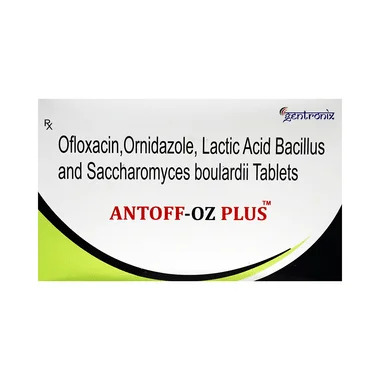
Antoff-OZ Plus Tablet: Comprehensive Guide to Uses, Side Effects, and Safety
Clinical Reference Standards: CDSCO (Central Drugs Standard Control Organisation), Indian Pharmacopoeia (IP) & WHO | Last Updated: September 2026
When to Call Your Doctor IMMEDIATELY
- Severe or bloody diarrhea, which may indicate Clostridium difficile infection.
- Tendon pain, swelling, or difficulty moving a joint, which may indicate tendon rupture.
- Numbness, tingling, or burning in hands or feet, which may indicate peripheral neuropathy.
- Seizures, confusion, or hallucinations, which may indicate central nervous system toxicity.
- Difficulty breathing, swelling of face or throat, or severe rash, which may indicate anaphylaxis.
- Yellowing of skin or eyes, dark urine, or severe abdominal pain, which may indicate liver injury.
- Palpitations or fainting, which may indicate QT prolongation.
If experiencing severe symptoms, call emergency services immediately.
What is antoff-oz plus tablet used for?
This medicine is a combination of Ofloxacin, an antibiotic, and Lactobacillus, a probiotic. It is used to treat bacterial infections and helps prevent antibiotic-associated diarrhea. Take it exactly as prescribed by your doctor.
- Generic Name: Lactobacillus (120Million spores) + Ofloxacin (200mg)
- Manufacturer: Gentronix Lifecare Pvt Ltd
- Form: Allopathy
- Pregnancy Category: Consult doctor
- Prescription Required: Yes
🇮🇳 antoff-oz plus tablet के बारे में (Hindi Summary)
उपयोग: यह दवा ओफ्लोक्सासिन और लैक्टोबैसिलस का संयोजन है। ओफ्लोक्सासिन एक एंटीबायोटिक है जो बैक्टीरियल संक्रमण का इलाज करता है, जैसे मूत्र मार्ग संक्रमण, श्वसन तंत्र संक्रमण, त्वचा संक्रमण और पेट के संक्रमण। लैक्टोबैसिलस एक प्रोबायोटिक है जो आंतों में अच्छे बैक्टीरिया को बनाए रखने में मदद करता है और एंटीबायोटिक से होने वाले दस्त को रोकता है। यह दवा डॉक्टर के निर्देशानुसार ही लें।
साइड इफेक्ट्स: इस दवा के सामान्य दुष्प्रभावों में मतली, उल्टी, दस्त, पेट दर्द, सिरदर्द, चक्कर आना और नींद न आना शामिल हैं। गंभीर दुष्प्रभाव दुर्लभ हैं, लेकिन इनमें टेंडन में दर्द या टूटना, तंत्रिका समस्याएं, दौरे, गंभीर एलर्जी और क्लोस्ट्रीडियम डिफिसाइल से जुड़े दस्त शामिल हो सकते हैं। अगर आपको कोई गंभीर लक्षण दिखे तो तुरंत डॉक्टर से संपर्क करें।
सुरक्षा सलाह: इस दवा को डॉक्टर के बताए अनुसार ही लें। पूरा कोर्स पूरा करें, भले ही आप बेहतर महसूस करें। दवा को भोजन के साथ लें ताकि पेट की परेशानी कम हो। एंटासिड, आयरन, कैल्शियम या जिंक सप्लीमेंट के साथ इस दवा को लेने से 2 घंटे पहले या बाद में लें। शराब न पिएं। गर्भवती या स्तनपान कराने वाली महिलाएं डॉक्टर से सलाह लें। धूप से बचें और सनस्क्रीन का इस्तेमाल करें।
💊 antoff-oz plus tablet Uses & Benefits
[{"condition":"Uncomplicated urinary tract infections","description":"This medicine is used to treat urinary tract infections caused by susceptible bacteria such as Escherichia coli, Klebsiella pneumoniae, and Proteus mirabilis.","evidence":"Well-established"},{"condition":"Respiratory tract infections","description":"It may be prescribed for acute exacerbations of chronic bronchitis and community-acquired pneumonia caused by susceptible organisms.","evidence":"Well-established"},{"condition":"Skin and soft tissue infections","description":"This medicine can be used for uncomplicated skin infections like cellulitis and abscesses caused by susceptible bacteria.","evidence":"Well-established"},{"condition":"Gastrointestinal infections","description":"It may be used in certain bacterial diarrheas and enteric infections, though the probiotic component helps mitigate antibiotic-associated diarrhea.","evidence":"Moderate"}]
Off-label uses: [{"condition":"Prostatitis","description":"Sometimes used off-label for chronic bacterial prostatitis, but not a first-line choice.","evidence":"Limited"},{"condition":"Traveler's diarrhea","description":"May be used off-label for empirical treatment of traveler's diarrhea, but resistance patterns vary.","evidence":"Limited"}]
Primary treatment for: Bacterial infections
Also treats: Urinary tract infections, Respiratory tract infections, Skin infections, Gastrointestinal infections
📋 Drug Information
| Generic Name(s) | Lactobacillus (120Million spores) + Ofloxacin (200mg) |
| Brand Name | antoff-oz plus tablet |
| Manufacturer | Gentronix Lifecare Pvt Ltd |
| Packaging / Form | Varies by brand (Allopathy) |
| Therapeutic Class | GASTRO INTESTINAL |
| Action Class | |
| Route of Administration | Oral |
| Storage | Store at room temperature between 15°C and 30°C (59°F to 86°F). Protect from light and moisture. Keep in the original container. |
| Shelf Life | 24 months from the date of manufacture. |
| WHO Guideline | Not established from the available information. |
| ICMR Guideline | Not established from the available information. |
👨⚕️ Doctor's Practical Tips
Evidence-based practical advice from experienced clinicians
🔍 Is This Medicine Right for Your Symptom?
Educational reference. Always consult a doctor for diagnosis.
🔬 How This Medicine Works (Pharmacology)
Pharmacokinetics
How It Works
Ofloxacin, a fluoroquinolone antibiotic, inhibits bacterial DNA gyrase (topoisomerase II) and topoisomerase IV, enzymes that are essential for DNA replication, transcription, repair, and recombination. This inhibition leads to the inability of bacteria to replicate and ultimately causes bacterial cell death. Lactobacillus, a probiotic, helps restore the natural gut flora by colonizing the intestines and producing lactic acid, which inhibits the growth of harmful bacteria. This dual action helps treat the infection while reducing the risk of antibiotic-associated diarrhea.
Mechanism Steps
💡 How to Take antoff-oz plus tablet
Strength: Each tablet contains Ofloxacin 200 mg and Lactobacillus 120 million spores.
Dosage Information
| Adult Dosage | The usual adult dose of this medicine is one tablet taken orally every 12 hours (twice daily) or as prescribed by your doctor. The duration of treatment depends on the type and severity of the infection, typically ranging from 3 to 10 days. Dose must be individualized by a qualified clinician based on indication, age, weight, renal and hepatic function. Do not exceed the recommended dose. |
| Pediatric Dosage | Pediatric dosing is not established from available information. Consult a pediatrician. |
| Elderly Dosage | Elderly patients may have reduced renal function and are at higher risk of adverse effects, especially tendon rupture and central nervous system effects. Dose adjustment may be necessary based on renal function. Use with caution and monitor closely. |
| Renal Impairment | In patients with renal impairment (creatinine clearance <50 mL/min), the dose of ofloxacin should be adjusted. For creatinine clearance between 20-50 mL/min, the usual dose may be given every 24 hours. For creatinine clearance <20 mL/min, the dose may need to be further reduced. Consult your doctor for specific dosing recommendations. |
| Hepatic Impairment | No specific dose adjustment is required for mild to moderate hepatic impairment. However, in severe hepatic impairment, caution is advised and dose adjustment may be necessary. Monitor liver function tests. |
| Maximum Daily Dose | The maximum recommended daily dose of ofloxacin is 400 mg per day. Do not exceed this dose unless directed by a physician. |
Dosage Timeline
🍽️ Food Timing Guide
⏰ What to Do If You Miss a Dose
⚠️ Side Effects of antoff-oz plus tablet
✅ Common Side Effects
🚨 Serious Side Effects
⚠️ Rare Side Effects
Consult your doctor if you experience any unusual symptoms.
🔬 Drug Interactions
| Drug | Severity | Effect |
|---|---|---|
| Antacids | Major | |
| Warfarin | Major | |
| Theophylline | Major | |
| NSAIDs | Major | |
| Caffeine | Moderate | |
| Cyclosporine | Moderate | |
| Oral hypoglycemics | Moderate | |
| Probenecid | Minor | |
| Cimetidine | Minor | |
| Iron supplements | Major |
🚨 Major Interactions
- Antacids, sucralfate, and mineral supplements (iron, zinc, calcium, magnesium)
- Warfarin
- Theophylline
- NSAIDs (e.g., ibuprofen, naproxen)
⚡ Moderate Interactions
- Caffeine
- Cyclosporine
- Oral hypoglycemics (e.g., glibenclamide)
🍷 Alcohol Interaction
Alcohol should be avoided while taking this medicine. Alcohol can increase the risk of central nervous system side effects such as dizziness, drowsiness, and confusion. It may also worsen gastrointestinal irritation and reduce the effectiveness of the probiotic component.
🔎 Check Your Other Medicines
Educational tool. Always confirm with your doctor or pharmacist.
🛡️ Safety & Warnings
🚫 Contraindications
["Known hypersensitivity to ofloxacin, other fluoroquinolones, or any component of the formulation.","History of tendon disorders associated with fluoroquinolone use.","Myasthenia gravis (may exacerbate muscle weakness).","Pregnancy and breastfeeding (unless clearly indicated).","Children and adolescents (due to risk of cartilage damage).","Patients with a history of QT interval prolongation or uncorrected hypokalemia."]
⚠️ Warnings & Precautions
["Fluoroquinolones, including ofloxacin, have been associated with disabling and potentially irreversible serious adverse reactions, including tendinitis, tendon rupture, peripheral neuropathy, and central nervous system effects. Reserve use for patients with no alternative treatment options.","May cause dizziness and lightheadedness; avoid driving or operating machinery until you know how it affects you.","May cause photosensitivity; avoid excessive sun exposure and use sunscreen.","May worsen muscle weakness in patients with myasthenia gravis.","May cause hypoglycemia in diabetic patients; monitor blood glucose closely.","May cause diarrhea; if severe or bloody, seek medical attention as it may indicate Clostridium difficile infection.","Do not use in patients with a history of tendon disorders related to fluoroquinolone use.","Use with caution in elderly patients and those with renal impairment; dose adjustment may be needed."]
🤱 Lactation Safety
Ofloxacin is excreted in human breast milk. Because of the potential for serious adverse reactions in nursing infants, a decision should be made whether to discontinue nursing or to discontinue the drug, taking into account the importance of the drug to the mother. Lactobacillus is generally safe during breastfeeding. Consult your doctor before using this medicine while breastfeeding.
💊 Overdose Management
In case of overdose, seek immediate medical attention. Symptoms of overdose may include nausea, vomiting, dizziness, and confusion. There is no specific antidote for ofloxacin overdose. Treatment should be symptomatic and supportive. Adequate hydration should be maintained. Hemodialysis may be considered in severe cases to remove ofloxacin from the blood. Lactobacillus overdose is unlikely to cause harm.
⏰ Missed Dose
If you miss a dose, take it as soon as you remember. If it is almost time for your next dose, skip the missed dose and continue with your regular schedule. Do not take a double dose to make up for a missed one.
Additional Safety Advice
Take this medicine exactly as prescribed by your doctor. Do not skip doses or stop treatment early, even if you feel better, as this can lead to antibiotic resistance. Take the tablet with a full glass of water, with or without food, but preferably with food to reduce stomach upset. Avoid taking antacids, sucralfate, or mineral supplements containing iron, zinc, or calcium within 2 hours before or after taking this medicine, as they can interfere with absorption. Do not consume alcohol while taking this medicine, as it may increase the risk of central nervous system side effects. Inform your doctor if you have kidney or liver problems, diabetes, or a history of tendon disorders. Avoid excessive sunlight and use sunscreen, as this medicine may make your skin more sensitive to sunlight. If you are pregnant, planning to become pregnant, or breastfeeding, consult your doctor before using this medicine. Keep this medicine out of reach of children and store it in a cool, dry place away from direct sunlight.
👴 Special Considerations for Elderly
💡 For Patients Above 65
Elderly patients are at higher risk of fluoroquinolone-associated tendon rupture, peripheral neuropathy, and central nervous system effects. Renal function declines with age, so dose adjustment may be necessary. Monitor closely for any adverse effects.
🤰 Pregnancy Planning (TTC)
If you are planning to become pregnant, consult your doctor before taking this medicine. Fluoroquinolones are not recommended during pregnancy unless clearly needed. Discuss alternative antibiotics if appropriate.
🏥 Post-Surgery Considerations
If you are scheduled for surgery, inform your surgeon and anesthesiologist that you are taking this medicine. Fluoroquinolones may interact with certain anesthetic agents and can increase the risk of tendon rupture during the postoperative period. Your doctor may advise you to stop the medicine before surgery.
🦷 Dental Procedures
Inform your dentist that you are taking this medicine before any dental procedure. There are no specific contraindications, but your dentist may need to adjust other medications or take precautions if you are on anticoagulants.
💚 Lifestyle Tips for Better Results
🏋️ Exercise Considerations
While taking this medicine, avoid strenuous exercise or activities that put excessive strain on tendons, as fluoroquinolones increase the risk of tendon rupture. If you experience joint or tendon pain, stop exercising and consult your doctor.
🥗 Diet Recommendations
💼 Impact on Daily Work & Life
This medicine may cause dizziness, drowsiness, or confusion in some people. Avoid driving or operating heavy machinery until you know how it affects you. It is advisable to take it at the same time each day to maintain consistent levels. If you experience any central nervous system effects, inform your employer and avoid tasks requiring mental alertness.
🛑 When to Stop This Medicine
Do not stop taking this medicine without consulting your doctor, even if you feel better. Stopping early can lead to incomplete treatment and antibiotic resistance. If you experience serious side effects such as tendon pain, severe diarrhea, or allergic reactions, stop the medicine and seek immediate medical attention.
📅 Long-Term Use Effects
Long-term use of this medicine may lead to antibiotic resistance, disruption of gut flora, and an increased risk of Clostridium difficile infection. Prolonged use of fluoroquinolones has been associated with tendon damage, peripheral neuropathy, and central nervous system effects. Regular monitoring of renal and hepatic function is advised for prolonged therapy. Use the shortest effective duration.
🌿 Non-Medicine Approaches
These can complement medicine but do not replace prescribed treatment.
For urinary tract infections, drinking plenty of water helps flush out bacteria.
Evidence: Well-establishedCan help maintain gut health during and after antibiotic therapy.
Evidence: ModerateMay help prevent urinary tract infections, but evidence for treatment is limited.
Evidence: Limited💉 Vaccination Considerations
💉 If You're Getting Vaccinated
There are no known interactions between this medicine and vaccines. However, if you are scheduled to receive a live vaccine, consult your doctor, as antibiotics may affect the immune response to certain vaccines.
📦 Storage Guide
✅ DO
Store at room temperature (15-30°C)
❌ DON'T
Do not refrigerate
✅ DO
Keep in original container
❌ DON'T
Do not transfer to unmarked containers
✅ DO
Keep away from direct sunlight
❌ DON'T
Do not store in bathroom cabinet
✈️ Traveling with This Medicine
When traveling, carry this medicine in its original packaging along with a copy of your prescription. Store it at room temperature and protect it from extreme heat or moisture. If crossing time zones, adjust the timing of doses to maintain approximately 12-hour intervals, but consult your doctor for specific advice. Keep it in your carry-on luggage to avoid loss or temperature extremes. Check local customs regulations regarding antibiotics before traveling internationally.
💰 Cost Analysis & Savings
👥 Real Patient Stories
Educational, anonymized scenarios. Individual results may vary.
💬 Questions Patients Often Ask
A: You may start feeling better within 24-48 hours, but it is important to complete the full course as prescribed.
A: Yes, you can take it with or without food, but taking it with food helps reduce stomach upset.
A: If you miss a dose, take it as soon as you remember. If it is almost time for your next dose, skip the missed dose and continue with your regular schedule. Do not double dose.
A: This medicine is not recommended during pregnancy unless clearly needed. Consult your doctor before taking it.
A: It is best to avoid alcohol as it can increase the risk of side effects like dizziness and drowsiness.
🤔 Common Patient Concerns
🔄 Substitutes for antoff-oz plus tablet
View AllAlternative brands with exact same active ingredient:
-
sanoxil 200mg tabletFranklin Remedies ₹45.00 51% CHEAPER
-
oflalak lb 200mg/120millionspores tabletSanbury Pharmaceuticals Pvt Ltd ₹58.00 36.9% CHEAPER
-
tyflo oz tabletKendall Healthcare Pvt Ltd ₹79.69 13.3% CHEAPER
-
offry ols 200mg/500mg tabletGreen Cross Remedies ₹84.09 8.5% CHEAPER
-
s pro oz tabletSaivay Medilinks ₹86.25 6.1% CHEAPER
Medical Note: Always consult your doctor before switching medications.
🛑 Myths vs. Facts
- Myth: Antibiotics can cure viral infections like the common cold.
Fact: Antibiotics only work against bacterial infections. This medicine is not effective against viral infections. - Myth: You can stop taking antibiotics once you feel better.
Fact: You must complete the full course as prescribed to prevent the infection from returning and to avoid antibiotic resistance. - Myth: Probiotics in antibiotics are unnecessary.
Fact: Probiotics like Lactobacillus help restore gut flora and reduce the risk of antibiotic-associated diarrhea.
🔄 Alternative Options
Generic Alternatives
- Ofloxacin 200 mg + Lactobacillus 120 million spores tablet
Brand Alternatives
- Ofloxacin 200 mg + Lactobacillus 120 million spores tablet