
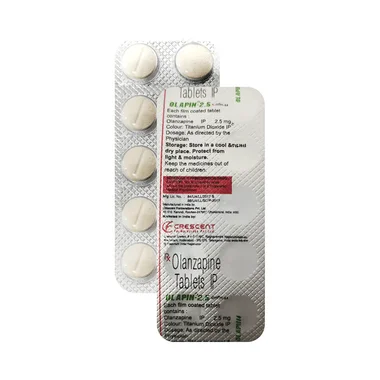
Olanzapine 2.5 mg Tablet: Complete Guide to Uses, Side Effects, and Safety
When to Call Your Doctor IMMEDIATELY
- High fever with muscle rigidity and confusion
- Uncontrollable movements of face, tongue, or limbs
- Severe allergic reaction (rash, swelling, difficulty breathing)
- Irregular heartbeat or fainting
- Yellowing of skin or eyes
- Severe abdominal pain with nausea and vomiting
- Signs of infection (fever, sore throat, mouth ulcers)
- Excessive thirst, frequent urination, or extreme fatigue
If experiencing severe symptoms, call emergency services immediately.
What is olapin 2.5mg tablet used for?
Olanzapine 2.5 mg tablet is an atypical antipsychotic used to treat schizophrenia and bipolar disorder. It works by blocking dopamine and serotonin receptors in the brain, helping to reduce hallucinations, delusions, and mood swings. It is usually taken once daily, with or without food, and the dose is adjusted by a doctor based on individual needs.
- Generic Name: Olanzapine (2.5mg)
- Manufacturer: Psycormedies
- Form: Allopathy
- Pregnancy Category: Consult doctor
- Prescription Required: Yes
🇮🇳 olapin 2.5mg tablet के बारे में (Hindi Summary)
उपयोग: यह दवा ओलंज़ापिन 2.5 मिलीग्राम टैबलेट के रूप में उपलब्ध है और मुख्य रूप से सिज़ोफ्रेनिया और बाइपोलर डिसऑर्डर के इलाज के लिए इस्तेमाल की जाती है। यह मस्तिष्क में डोपामाइन और सेरोटोनिन रिसेप्टर्स को ब्लॉक करके काम करती है, जिससे मतिभ्रम, भ्रम और मूड स्विंग्स कम होते हैं। यह दवा केवल डॉक्टर की सलाह पर ही लेनी चाहिए।
साइड इफेक्ट्स: इस दवा के सामान्य दुष्प्रभावों में नींद आना, चक्कर आना, मुँह सूखना, कब्ज, भूख बढ़ना और वजन बढ़ना शामिल हैं। गंभीर दुष्प्रभावों में एलर्जी, दिल की धड़कन अनियमित होना, बुखार, मांसपेशियों में अकड़न, और शरीर के अनियंत्रित हिलने-डुलने की समस्या हो सकती है। इन लक्षणों को तुरंत डॉक्टर को बताएं।
सुरक्षा सलाह: इस दवा को डॉक्टर की सलाह के बिना न लें और न ही बंद करें। शराब और अन्य नींद लाने वाली दवाओं से बचें। गाड़ी चलाते समय या मशीन चलाते समय सावधानी बरतें। नियमित रूप से वजन, ब्लड शुगर और कोलेस्ट्रॉल की जांच कराएं। दवा को कमरे के तापमान पर सूखी जगह पर रखें।
💊 olapin 2.5mg tablet Uses & Benefits
- [{"condition":"Schizophrenia","description":"This medicine helps reduce hallucinations, delusions, disorganized thinking, and other symptoms of schizophrenia.
- It is effective for both acute episodes and maintenance treatment.","evidence":"Well-established"},{"condition":"Bipolar Disorder (Manic or Mixed Episodes)","description":"This medicine is used to treat acute manic or mixed episodes associated with bipolar I disorder and may be used for maintenance therapy to prevent relapse.","evidence":"Well-established"},{"condition":"Agitation associated with Schizophrenia or Bipolar Mania","description":"This medicine can help calm agitated behavior in patients with these conditions, though it is not a primary treatment for agitation in other contexts.","evidence":"Well-established"}]
Off-label uses: [{"condition":"Treatment-resistant depression","description":"Sometimes used as an add-on therapy for major depressive disorder that has not responded to other treatments.","evidence":"Moderate"},{"condition":"Obsessive-compulsive disorder (OCD)","description":"May be used as an adjunct in patients with OCD who have not responded to standard treatments.","evidence":"Limited"},{"condition":"Post-traumatic stress disorder (PTSD)","description":"Occasionally prescribed off-label for PTSD symptoms, but evidence is limited.","evidence":"Limited"}]
Primary treatment for: Schizophrenia
Also treats: Bipolar disorder, Agitation associated with schizophrenia or bipolar mania
📋 Drug Information
| Generic Name(s) | Olanzapine (2.5mg) |
| Brand Name | olapin 2.5mg tablet |
| Manufacturer | Psycormedies |
| Packaging / Form | Varies by brand (Allopathy) |
| Therapeutic Class | NEURO CNS |
| Action Class | Atypical Antipsychotics |
| Route of Administration | Oral |
| Storage | Store at room temperature between 15°C and 30°C (59°F to 86°F). Keep away from moisture and heat. Keep in the original container, tightly closed. |
| Shelf Life | 24 months from the date of manufacture. |
| WHO Guideline | The World Health Organization (WHO) includes olanzapine in its Model List of Essential Medicines for the treatment of psychotic disorders. However, specific recommendations should be based on individual clinical guidelines. |
| ICMR Guideline | The Indian Council of Medical Research (ICMR) guidelines for mental health recommend olanzapine as a first-line treatment for schizophrenia and bipolar disorder, with regular monitoring for metabolic side effects. |
👨⚕️ Doctor's Practical Tips
Evidence-based practical advice from experienced clinicians
🔍 Is This Medicine Right for Your Symptom?
Educational reference. Always consult a doctor for diagnosis.
🔬 How This Medicine Works (Pharmacology)
Pharmacokinetics
How It Works
This medicine exerts its therapeutic effects primarily through antagonism of dopamine D2 receptors and serotonin 5-HT2A receptors in the brain. It also interacts with other neurotransmitter systems, including histamine H1, muscarinic M1, and alpha-1 adrenergic receptors, which contributes to its side effect profile. By blocking these receptors, it helps stabilize mood and reduce psychotic symptoms.
Mechanism Steps
💡 How to Take olapin 2.5mg tablet
Strength: Olanzapine 2.5 mg immediate-release tablet
Dosage Information
| Adult Dosage | The usual starting dose of this medicine for adults is 5 to 10 mg once daily, but your doctor may start with a lower dose such as 2.5 mg depending on your condition and tolerability. The dose may be gradually increased based on your response, typically by 5 mg per day at intervals of at least one week. The target dose for schizophrenia is usually 10 to 20 mg daily, while for bipolar mania it may range from 5 to 20 mg daily. Dose must be individualized by a qualified clinician based on indication, age, weight, renal and hepatic function, and concurrent medications. |
| Pediatric Dosage | Pediatric dosing is not established from available information. Consult a pediatrician. |
| Elderly Dosage | Elderly patients may be more sensitive to the effects of this medicine. A lower starting dose of 2.5 to 5 mg once daily is often recommended. Dose adjustments should be made cautiously, and patients should be monitored for orthostatic hypotension, sedation, and falls. |
| Renal Impairment | No specific dose adjustment is required for renal impairment, but this medicine should be used with caution. Monitor for increased side effects. |
| Hepatic Impairment | In patients with hepatic impairment, a lower starting dose of 2.5 to 5 mg is recommended, and dose increases should be made cautiously. Monitor liver function regularly. |
| Maximum Daily Dose | The maximum recommended daily dose is 20 mg. Doses above 20 mg have not been shown to be more effective and may increase the risk of side effects. |
Dosage Timeline
🍽️ Food Timing Guide
⏰ What to Do If You Miss a Dose
⚠️ Side Effects of olapin 2.5mg tablet
✅ Common Side Effects
🚨 Serious Side Effects
⚠️ Rare Side Effects
Consult your doctor if you experience any unusual symptoms.
🔬 Drug Interactions
| Drug | Severity | Effect |
|---|---|---|
| Fluvoxamine | Major | |
| Carbamazepine | Major | |
| Levodopa | Major | |
| Benzodiazepines | Major | |
| Amiodarone | Moderate | |
| Antihypertensives | Moderate | |
| Benztropine | Moderate | |
| Antacids | Minor | |
| Activated charcoal | Minor | |
| Ciprofloxacin | Major |
🚨 Major Interactions
- CYP1A2 inhibitors (e.g., fluvoxamine, ciprofloxacin)
- CYP1A2 inducers (e.g., carbamazepine, rifampin, smoking)
- Dopamine agonists (e.g., levodopa, pramipexole)
- Other CNS depressants (e.g., benzodiazepines, opioids, alcohol)
⚡ Moderate Interactions
- Antihypertensives
- Anticholinergics (e.g., benztropine, trihexyphenidyl)
- QT-prolonging drugs (e.g., amiodarone, sotalol, methadone)
🍷 Alcohol Interaction
Alcohol should be avoided while taking this medicine because it can increase drowsiness, dizziness, and impair judgment. It may also worsen the sedative effects of olanzapine and increase the risk of respiratory depression.
🔎 Check Your Other Medicines
Educational tool. Always confirm with your doctor or pharmacist.
🛡️ Safety & Warnings
🚫 Contraindications
["Hypersensitivity to olanzapine or any component of the formulation","History of narrow-angle glaucoma","Severe liver disease","Use in elderly patients with dementia-related psychosis (increased risk of stroke and death)"]
⚠️ Warnings & Precautions
["Increased risk of death in elderly patients with dementia-related psychosis.","Neuroleptic malignant syndrome (NMS) can occur; monitor for high fever, muscle rigidity, and autonomic instability.","Tardive dyskinesia may develop with long-term use; monitor for involuntary movements.","Metabolic changes including hyperglycemia, hyperlipidemia, and weight gain; monitor regularly.","May cause orthostatic hypotension and falls, especially in elderly patients.","May impair judgment and motor skills; caution with driving and operating machinery.","Avoid abrupt discontinuation; taper gradually to prevent withdrawal symptoms.","Use with caution in patients with a history of seizures, cardiac disease, or cerebrovascular disease."]
🤱 Lactation Safety
Olanzapine is excreted in human breast milk. Breastfeeding is not recommended while taking this medicine due to the potential for serious adverse reactions in the nursing infant. Consult your doctor to discuss the risks and benefits.
💊 Overdose Management
Overdose of this medicine can cause severe drowsiness, rapid heartbeat, low blood pressure, agitation, and coma. If overdose is suspected, seek emergency medical attention immediately. Treatment is supportive and symptomatic. Activated charcoal may be used if the patient presents early. There is no specific antidote for olanzapine overdose.
⏰ Missed Dose
If you miss a dose of this medicine, take it as soon as you remember. However, if it is almost time for your next dose, skip the missed dose and continue with your regular schedule. Do not take a double dose to make up for a missed one.
Additional Safety Advice
This medicine should only be taken under the supervision of a qualified psychiatrist or healthcare provider. Do not adjust the dose without medical advice. Avoid alcohol and other central nervous system depressants while taking this medicine, as they can increase drowsiness and dizziness. Use caution when driving or operating heavy machinery until you know how this medicine affects you. Inform your doctor if you are pregnant, planning to become pregnant, or breastfeeding. Do not stop this medicine abruptly, as it can cause withdrawal symptoms or a relapse of your condition. Keep all appointments for regular monitoring of weight, blood sugar, cholesterol, and blood pressure. Store this medicine at room temperature, away from moisture and heat. Keep out of reach of children.
👴 Special Considerations for Elderly
💡 For Patients Above 65
Elderly patients are at increased risk of orthostatic hypotension, sedation, falls, and metabolic side effects. A lower starting dose is recommended, and regular monitoring is essential. This medicine is not approved for dementia-related psychosis in elderly patients due to increased mortality risk.
🤰 Pregnancy Planning (TTC)
If you are planning to become pregnant, consult your doctor before conception. Olanzapine should be used during pregnancy only if clearly needed. Your doctor will weigh the benefits and risks and may adjust the dose or switch to an alternative medicine.
🏥 Post-Surgery Considerations
Inform your surgeon and anesthesiologist that you are taking this medicine before any surgery. It may interact with anesthetic agents and increase the risk of complications. Your doctor may advise temporary discontinuation or dose adjustment.
🦷 Dental Procedures
Inform your dentist that you are taking this medicine before any dental procedure. It may cause dry mouth, which can increase the risk of dental problems. Maintain good oral hygiene and stay hydrated.
💚 Lifestyle Tips for Better Results
🏋️ Exercise Considerations
This medicine may cause drowsiness and dizziness, so avoid strenuous exercise or activities that require alertness until you know how it affects you. Stay hydrated during exercise. Consult your doctor before starting any new exercise program.
🥗 Diet Recommendations
💼 Impact on Daily Work & Life
This medicine can cause drowsiness and dizziness, which may affect your ability to drive or operate machinery. It is important to avoid these activities until you know how the medicine affects you. You may need to adjust your work schedule or tasks initially. Discuss any concerns with your employer or doctor.
🛑 When to Stop This Medicine
Do not stop taking this medicine without consulting your doctor. Abrupt discontinuation can cause withdrawal symptoms such as nausea, headache, dizziness, and insomnia, and may lead to a relapse of your condition. Your doctor will gradually taper the dose if needed.
📅 Long-Term Use Effects
Long-term use of this medicine may lead to metabolic changes such as weight gain, high blood sugar, and high cholesterol, increasing the risk of diabetes and heart disease. It may also cause tardive dyskinesia, a potentially irreversible movement disorder. Regular monitoring of weight, blood sugar, lipids, and movement symptoms is essential. The medicine should be reviewed periodically to assess the risk-benefit balance.
🌿 Non-Medicine Approaches
These can complement medicine but do not replace prescribed treatment.
Can complement medication in managing symptoms of schizophrenia and bipolar disorder.
Evidence: Well-establishedHelps family members support the patient and improve communication.
Evidence: ModerateRegular exercise, healthy diet, and stress management can improve overall well-being.
Evidence: Moderate💉 Vaccination Considerations
💉 If You're Getting Vaccinated
There are no specific vaccine interactions with this medicine. However, patients with mental health conditions should stay up to date with routine vaccinations as advised by their doctor.
📦 Storage Guide
✅ DO
Store at room temperature (15-30°C)
❌ DON'T
Do not refrigerate unless specified
✅ DO
Keep in original container
❌ DON'T
Do not transfer to unmarked containers
✅ DO
Keep away from direct sunlight
❌ DON'T
Do not store in bathroom cabinet
✈️ Traveling with This Medicine
When traveling, carry your medicine in its original packaging along with a copy of your prescription. Keep it in your carry-on luggage to avoid loss. Store at room temperature and protect from extreme heat or cold. If crossing time zones, consult your doctor about adjusting the timing of your dose. Carry enough supply for the entire trip and a little extra in case of delays. Check local customs regulations for controlled substances.
💰 Cost Analysis & Savings
👥 Real Patient Stories
Educational, anonymized scenarios. Individual results may vary.
💬 Questions Patients Often Ask
A: Sedative effects may be noticed within a few hours, but the full antipsychotic benefits typically take several days to weeks to become apparent.
A: No, you should not stop this medicine abruptly even if you feel better. Stopping suddenly can cause withdrawal symptoms or a relapse. Consult your doctor before making any changes.
A: Weight gain is a common side effect of this medicine. You can manage it with a healthy diet and regular exercise. Consult your doctor or dietitian for guidance.
A: Olanzapine should be used during pregnancy only if the potential benefit justifies the potential risk. Consult your doctor if you are pregnant or planning to become pregnant.
A: No, alcohol should be avoided as it can increase drowsiness, dizziness, and other side effects.
🤔 Common Patient Concerns
🔄 Substitutes for olapin 2.5mg tablet
View AllAlternative brands with exact same active ingredient:
-
ozip 2.5mg tabletMedley Pharmaceuticals ₹10.00 80% CHEAPER
-
meltez 2.5mg tabletJ B Chemicals and Pharmaceuticals Ltd ₹11.25 77.5% CHEAPER
-
tolaz-md 2.5 tabletTorrent Pharmaceuticals Ltd ₹11.72 76.6% CHEAPER
-
bolinz 2.5mg tabletBiocin Healthcare ₹13.13 73.8% CHEAPER
-
onza 2.5mg tabletAbbott ₹13.13 73.8% CHEAPER
Medical Note: Always consult your doctor before switching medications.
🛑 Myths vs. Facts
- Myth: Olanzapine is a sleeping pill.
Fact: Olanzapine is an antipsychotic medication used to treat serious mental health conditions, not a sleeping aid. It may cause drowsiness as a side effect. - Myth: Olanzapine is addictive.
Fact: Olanzapine is not considered addictive in the traditional sense, but it can cause dependence and withdrawal symptoms if stopped abruptly. It should be tapered under medical supervision. - Myth: Olanzapine can cure schizophrenia.
Fact: Olanzapine helps manage symptoms of schizophrenia but does not cure the condition. It is part of a comprehensive treatment plan. - Myth: Olanzapine is only for severe mental illness.
Fact: Olanzapine is primarily used for schizophrenia and bipolar disorder, but it may also be prescribed off-label for other conditions. It is not for mild anxiety or stress.
🔄 Alternative Options
Generic Alternatives
- Olanzapine 2.5 mg tablet
Brand Alternatives
- Oleanz 2.5 mg tablet
- Zyprexa 2.5 mg tablet
- Olan 2.5 mg tablet