
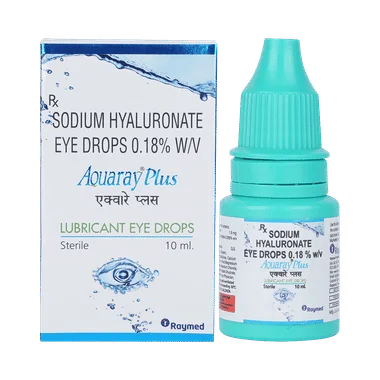
Aquim PF Eye Drop: Complete Guide to Uses, Side Effects, and Safety
When to Call Your Doctor IMMEDIATELY
- Severe eye pain or headache that does not go away
- Sudden decrease in vision or blurred vision that persists
- Increased redness, swelling, or discharge from the eye
- Swelling of the face, lips, or throat, or difficulty breathing
- Eye injury or foreign body in the eye
- Symptoms of eye infection such as fever, chills, or pus
If experiencing severe symptoms, call emergency services immediately.
What is aquaray plus eye drop used for?
This medicine is a preservative-free eye drop containing sodium hyaluronate 0.18% w/v. It lubricates the eyes and relieves dryness, burning, and irritation. It is used for dry eye syndrome and after eye surgery. Apply one drop in the affected eye as needed, usually 3-4 times daily.
- Generic Name: Sodium Hyaluronate
- Manufacturer: Raymed Pharmaceuticals Ltd
- Form: Allopathy
- Pregnancy Category: Consult doctor
- Prescription Required: Yes
🇮🇳 aquaray plus eye drop के बारे में (Hindi Summary)
उपयोग: यह दवा सोडियम हायलूरोनेट 0.18% w/v युक्त एक बंध्याकारक-मुक्त नेत्र बूंद है। यह आंखों की सूखापन, जलन, और खुजली से राहत देती है। यह आंख की सतह पर एक सुरक्षात्मक परत बनाती है जो आंखों को नमी प्रदान करती है और चोट से बचाती है। इसका उपयोग ड्राई आई सिंड्रोम, आंख की सर्जरी के बाद की परेशानी, और कॉर्निया की चोट में किया जाता है। यह उन लोगों के लिए उपयुक्त है जो कंप्यूटर पर लंबे समय तक काम करते हैं या जिनकी आंखें अक्सर सूखी रहती हैं। इस दवा का उपयोग आंखों के संक्रमण के लिए नहीं किया जाना चाहिए।
साइड इफेक्ट्स: इस दवा के सामान्य दुष्प्रभाव हल्के और अस्थायी होते हैं। इनमें धुंधली दृष्टि, हल्की जलन या चुभन, और पलकों पर चिपचिपाहट शामिल हो सकती है। ये लक्षण आमतौर पर कुछ मिनटों में ठीक हो जाते हैं। कभी-कभी एलर्जी के कारण आंखों में लालिमा, खुजली या सूजन हो सकती है। यदि आपको तेज दर्द, दृष्टि में बदलाव, या लगातार लालिमा महसूस हो, तो तुरंत डॉक्टर से संपर्क करें। गंभीर एलर्जी प्रतिक्रिया दुर्लभ है लेकिन इसमें चेहरे, होंठ या गले में सूजन, सांस लेने में कठिनाई हो सकती है, जिसके लिए तत्काल चिकित्सा सहायता आवश्यक है।
सुरक्षा सलाह: इस दवा का उपयोग करने से पहले अपने डॉक्टर को गर्भावस्था, स्तनपान, या किसी अन्य दवा के बारे में बताएं। ड्रॉपर की नोक को आंख या किसी अन्य सतह से न छुएं, क्योंकि इससे संक्रमण हो सकता है। यदि आप कॉन्टैक्ट लेंस पहनते हैं, तो दवा डालने से पहले उन्हें निकाल लें और 15 मिनट बाद ही दोबारा पहनें। यह दवा केवल आंखों में उपयोग के लिए है, इसे मुंह से न लें। बच्चों की पहुंच से दूर रखें। यदि आप अन्य आई ड्रॉप्स का उपयोग कर रहे हैं, तो दोनों के बीच 5 मिनट का अंतराल रखें। यदि लक्षण ठीक न हों या बिगड़ जाएं, तो नेत्र विशेषज्ञ से मिलें।
💊 aquaray plus eye drop Uses & Benefits
- [{"condition":"Dry eye syndrome (keratoconjunctivitis sicca)","description":"Provides lubrication and moisture to the eyes, relieving dryness, burning, and irritation.
- Helps to stabilize the tear film and protect the ocular surface.","evidence":"Well-established"},{"condition":"Post-operative ocular discomfort","description":"Used after procedures such as LASIK, cataract surgery, or corneal transplantation to soothe the eye and promote epithelial healing.","evidence":"Well-established"},{"condition":"Corneal epithelial defects","description":"Aids in the healing of superficial corneal abrasions and erosions by providing a protective coating and promoting cell migration.","evidence":"Moderate"},{"condition":"Ocular surface protection during environmental stress","description":"Helps protect the eyes from dryness caused by air conditioning, wind, smoke, or prolonged screen use.","evidence":"Well-established"}]
Off-label uses: [{"condition":"Adjunct in glaucoma therapy","description":"Sometimes used to improve comfort in patients using multiple anti-glaucoma drops that can cause ocular surface irritation.","evidence":"Limited"},{"condition":"Management of filamentary keratitis","description":"May provide symptomatic relief and promote healing in this condition characterized by mucus filaments on the cornea.","evidence":"Limited"}]
Primary treatment for: Dry eye syndrome
Also treats: Post-operative ocular discomfort, Corneal epithelial defects, Ocular surface protection
📋 Drug Information
| Generic Name(s) | Sodium Hyaluronate |
| Brand Name | Aquim PF Eye Drop |
| Manufacturer | Raymed Pharmaceuticals Ltd |
| Packaging / Form | Varies by brand (Allopathy) |
| Therapeutic Class | OPHTHAL |
| Action Class | Osteoarthritis- Hyaluronic acid |
| Route of Administration | Ophthalmic (topical ocular) |
| Storage | Store at room temperature (15-30°C). Do not freeze. Keep the bottle tightly closed when not in use. Protect from direct sunlight. |
| Shelf Life | 24 months from the date of manufacture. Discard 30 days after opening. |
| WHO Guideline | Not established from the available information. |
| ICMR Guideline | Not established from the available information. |
👨⚕️ Doctor's Practical Tips
Evidence-based practical advice from experienced clinicians
🔍 Is This Medicine Right for Your Symptom?
Educational reference. Always consult a doctor for diagnosis.
🔬 How This Medicine Works (Pharmacology)
Pharmacokinetics
How It Works
Sodium hyaluronate is a high molecular weight polysaccharide composed of repeating disaccharide units of glucuronic acid and N-acetylglucosamine. When applied topically to the eye, it binds to water molecules and forms a viscoelastic gel-like layer over the corneal and conjunctival epithelium. This layer acts as a lubricant, reducing friction between the eyelids and the ocular surface during blinking. It also helps to stabilize the tear film by interacting with mucins and other tear components, thereby prolonging tear film breakup time. Additionally, sodium hyaluronate can promote corneal epithelial cell migration and wound healing by interacting with cell surface receptors such as CD44, which are involved in cell adhesion and proliferation. The preservative-free formulation avoids the toxic effects of preservatives on the corneal epithelium, making it suitable for frequent use.
Mechanism Steps
💡 How to Take aquaray plus eye drop
Strength: Ophthalmic solution, 0.18% w/v (preservative-free)
Dosage Information
| Adult Dosage | The usual adult dosage is one drop in the affected eye(s) as needed, typically 3 to 4 times daily or as directed by your eye care professional. For severe dry eye, more frequent use may be recommended. Dose must be individualized by a qualified clinician based on the severity of symptoms and the underlying condition. Follow your doctor's instructions exactly. |
| Pediatric Dosage | Pediatric dosing is not established from available information. Consult a pediatrician or ophthalmologist for appropriate use in children. |
| Elderly Dosage | No specific dosage adjustments are required for elderly patients. Use as directed by your eye care professional. |
| Renal Impairment | No dosage adjustment is necessary for patients with renal impairment, as systemic absorption is negligible. |
| Hepatic Impairment | No dosage adjustment is necessary for patients with hepatic impairment, as systemic absorption is negligible. |
| Maximum Daily Dose | There is no established maximum daily dose for this medicine. Use as needed for symptom relief, but do not exceed the frequency recommended by your doctor. |
Dosage Timeline
⏰ What to Do If You Miss a Dose
⚠️ Side Effects of aquaray plus eye drop
✅ Common Side Effects
🚨 Serious Side Effects
⚠️ Rare Side Effects
Consult your doctor if you experience any unusual symptoms.
🛡️ Safety & Warnings
🚫 Contraindications
["Hypersensitivity to sodium hyaluronate or any component of the formulation","Active ocular infection (bacterial, viral, fungal, or protozoal)","Untreated eye conditions that require specific therapy"]
⚠️ Warnings & Precautions
["Do not touch the dropper tip to any surface to avoid contamination.","If you experience eye pain, changes in vision, or persistent redness, discontinue use and consult a doctor.","Remove contact lenses before use and wait 15 minutes before reinserting.","Do not use if the solution is discolored or cloudy.","Keep out of reach of children.","Do not use after the expiration date or more than 30 days after opening."]
🤱 Lactation Safety
Sodium hyaluronate is not expected to be absorbed systemically in significant amounts, so it is unlikely to affect a nursing infant. However, consult your doctor before using this medicine while breastfeeding.
💊 Overdose Management
Overdose with this medicine is unlikely due to its topical ophthalmic route. If excessive amounts are instilled, rinse the eye with sterile water or saline. If accidentally ingested, seek medical attention. No specific antidote is required.
⏰ Missed Dose
If you miss a dose, apply it as soon as you remember. If it is almost time for your next dose, skip the missed dose and continue with your regular schedule. Do not double the dose to catch up.
Additional Safety Advice
Before using this medicine, inform your doctor if you are pregnant, planning to become pregnant, or breastfeeding. Although sodium hyaluronate is considered safe for use during pregnancy and lactation, it is always best to consult a healthcare professional. Do not touch the tip of the dropper bottle to your eye or any other surface, as this can contaminate the solution. If you wear contact lenses, remove them before applying this medicine and wait at least 15 minutes before reinserting them, unless your eye care professional has advised otherwise. This medicine is for external ophthalmic use only and should not be ingested. Keep out of reach of children. If you are using other eye drops, wait at least 5 minutes between applications to prevent dilution and washout of the medications. Do not use this medicine if the solution changes color or becomes cloudy. Discard the bottle 30 days after opening, or as directed by the manufacturer. If your symptoms do not improve within a few days or if they worsen, consult your eye doctor. Do not drive or operate heavy machinery immediately after applying this medicine if your vision is temporarily blurred.
👴 Special Considerations for Elderly
💡 For Patients Above 65
Elderly patients may be more prone to dry eye due to age-related changes in tear production. This medicine is safe and effective for use in the elderly. No dosage adjustment is required. However, regular eye check-ups are recommended.
🤰 Pregnancy Planning (TTC)
If you are planning to become pregnant, consult your doctor before using this medicine. Sodium hyaluronate is considered safe during pregnancy, but it is always best to seek medical advice.
🏥 Post-Surgery Considerations
This medicine is often prescribed after eye surgery to promote healing and provide comfort. Use it exactly as directed by your surgeon. Do not touch the dropper tip to the eye to avoid infection. If you experience severe pain or vision loss after surgery, contact your surgeon immediately.
🦷 Dental Procedures
No specific considerations for dental procedures. You can continue using this medicine as usual.
💚 Lifestyle Tips for Better Results
🏋️ Exercise Considerations
No specific exercise restrictions while using this medicine. However, if your vision is temporarily blurred after application, avoid activities that require clear vision until it clears.
🥗 Diet Recommendations
💼 Impact on Daily Work & Life
This medicine may cause temporary blurred vision immediately after application. Wait until your vision clears before driving or operating heavy machinery. Otherwise, it has no impact on your ability to work or perform daily activities. You can use it at work as needed for dry eye relief.
🛑 When to Stop This Medicine
Do not stop using this medicine without consulting your doctor if you have been prescribed it for a specific condition. If you experience any serious side effects, stop use and seek medical attention. If your symptoms resolve, you may not need to use it as frequently, but consult your doctor before discontinuing.
📅 Long-Term Use Effects
Long-term use of this medicine is generally safe and well-tolerated. It does not cause systemic side effects due to negligible absorption. However, if you find that you need to use it more frequently than every hour or if your symptoms persist, consult your ophthalmologist to rule out other underlying conditions. Regular eye check-ups are recommended for chronic dry eye management.
🌿 Non-Medicine Approaches
These can complement medicine but do not replace prescribed treatment.
Applying a warm compress to the eyes can help stimulate tear production and relieve dry eye symptoms.
Evidence: Well-establishedOral omega-3 fatty acid supplements may help reduce inflammation and improve dry eye symptoms.
Evidence: ModerateSmall plugs inserted into tear ducts to reduce tear drainage, helping to keep the eye moist.
Evidence: Well-established💉 Vaccination Considerations
💉 If You're Getting Vaccinated
No known interaction between this medicine and vaccines. You can receive vaccinations while using this medicine.
📦 Storage Guide
✅ DO
Store at room temperature (15-30°C)
❌ DON'T
Do not freeze
✅ DO
Keep the bottle tightly closed when not in use
❌ DON'T
Do not leave the cap off
✅ DO
Protect from direct sunlight
❌ DON'T
Do not store in the bathroom cabinet where humidity is high
✅ DO
Discard 30 days after opening
❌ DON'T
Do not use after the expiry date
✈️ Traveling with This Medicine
When traveling with this medicine, keep it in your carry-on luggage to prevent freezing or extreme temperatures. Carry it in its original packaging with the prescription label. If you are traveling internationally, check the customs regulations of your destination regarding prescription medications. Bring enough supply for your trip, and consider a backup bottle in case of delays. Store at room temperature and avoid leaving it in a hot car. If you are crossing time zones, continue using the drops as needed for symptoms; no strict schedule adjustment is necessary.
💰 Cost Analysis & Savings
👥 Real Patient Stories
Educational, anonymized scenarios. Individual results may vary.
💬 Questions Patients Often Ask
A: You may feel relief within minutes after applying the drop. The lubricating effect lasts for several hours.
A: Remove your contact lenses before applying the drops. Wait at least 15 minutes before reinserting them.
A: Yes, it is safe for long-term use as directed by your doctor. It is preservative-free, reducing the risk of irritation.
A: Apply the missed dose as soon as you remember. If it is almost time for your next dose, skip the missed dose and continue with your regular schedule.
🤔 Common Patient Concerns
🔄 Substitutes for aquaray plus eye drop
View AllAlternative brands with exact same active ingredient:
-
hyvisc forte eye dropsSun Pharmaceutical Industries Ltd ₹182.00 64.4% CHEAPER
-
hyloaid eye dropSapient Laboratories Pvt Ltd ₹182.80 64.2% CHEAPER
-
ultra-moist eye dropJainson Biotech (India) Pvt Ltd ₹257.81 49.5% CHEAPER
-
high tears 0.18% eye dropCandure Medica Private Limited ₹328.13 35.8% CHEAPER
-
hyane eye dropAjanta Pharma Ltd ₹340.30 33.4% CHEAPER
Medical Note: Always consult your doctor before switching medications.
🛑 Myths vs. Facts
- Myth: This medicine can cure dry eye permanently.
Fact: This medicine provides symptomatic relief but does not cure the underlying cause of dry eye. It must be used regularly to manage symptoms. - Myth: Using this medicine frequently is harmful.
Fact: This medicine is preservative-free and safe for frequent use as directed by your doctor. It is designed for regular application. - Myth: This medicine can be used for eye infections.
Fact: This medicine is not an antibiotic or antiviral. It should not be used to treat eye infections.
🔄 Alternative Options
Generic Alternatives
- Sodium hyaluronate 0.18% w/v preservative-free eye drops (various manufacturers)
Brand Alternatives
- Aquim PF eye drop