
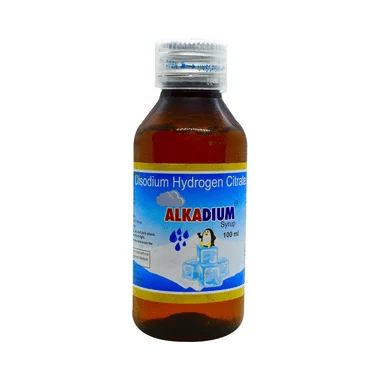
Alkamin 1.53gm Syrup: Complete Guide to Uses, Dosage, and Safety
Clinical Reference Standards: CDSCO (Central Drugs Standard Control Organisation), Indian Pharmacopoeia (IP) & WHO | Last Updated: September 2026
When to Call Your Doctor IMMEDIATELY
- Severe abdominal pain or cramping
- Blood in urine or stool
- Irregular heartbeat or palpitations
- Confusion, dizziness, or muscle twitching
- Swelling of face, lips, or throat
- Decreased urine output
- Yellowing of skin or eyes
If experiencing severe symptoms, call emergency services immediately.
What is alkadium syrup used for?
This medicine is an oral syrup containing disodium hydrogen citrate, used to relieve burning during urination and prevent uric acid kidney stones by making urine less acidic.
- Generic Name: Disodium Hydrogen Citrate
- Manufacturer: Best Biotech
- Form: Allopathy
- Pregnancy Category: Consult doctor
- Prescription Required: Yes
🇮🇳 alkadium syrup के बारे में (Hindi Summary)
उपयोग: यह दवा मूत्र मार्ग में जलन और दर्द को कम करने के लिए इस्तेमाल की जाती है। यह पेशाब को कम अम्लीय बनाकर काम करती है, जिससे पेशाब करते समय होने वाली जलन में राहत मिलती है। यह यूरिक एसिड की पथरी को रोकने में भी मदद करती है। यह दवा बैक्टीरिया को नहीं मारती, इसलिए संक्रमण के इलाज के लिए एंटीबायोटिक्स की आवश्यकता होती है।
साइड इफेक्ट्स: इस दवा के सामान्य दुष्प्रभावों में मतली, दस्त, पेट में असहजता, अधिक प्यास लगना और मुँह में धातु जैसा स्वाद शामिल हैं। ये आमतौर पर हल्के होते हैं और अपने आप ठीक हो जाते हैं। गंभीर दुष्प्रभाव दुर्लभ हैं, लेकिन अगर आपको गंभीर पेट दर्द, मांसपेशियों में ऐंठन, अनियमित दिल की धड़कन, या हाथ-पैरों में सूजन हो, तो तुरंत डॉक्टर से संपर्क करें।
सुरक्षा सलाह: इस दवा को लेने से पहले अपने डॉक्टर को अपनी सभी स्वास्थ्य समस्याओं के बारे में बताएं, खासकर अगर आपको किडनी की बीमारी, दिल की विफलता, या उच्च रक्तचाप है। यह दवा सोडियम से बनी है, इसलिए कम नमक वाले आहार पर रहने वाले लोगों को सावधानी बरतनी चाहिए। इस दवा को डॉक्टर की सलाह के बिना लंबे समय तक न लें। अगर लक्षण 7 दिनों में ठीक न हों, तो डॉक्टर से मिलें। पर्याप्त पानी पिएं। एंटासिड के साथ इस दवा को लेने से बचें।
💊 alkadium syrup Uses & Benefits
- [{"condition":"Urinary tract infections (symptomatic relief)","description":"This medicine helps relieve burning and pain during urination by making urine less acidic.
- It is used as an adjunct to antibiotics.","evidence":"Well-established"},{"condition":"Uric acid kidney stones (prevention)","description":"By alkalinizing urine, this medicine helps dissolve and prevent the formation of uric acid stones.","evidence":"Well-established"},{"condition":"Cystitis (bladder inflammation)","description":"Provides symptomatic relief from bladder discomfort and urgency.","evidence":"Commonly used"},{"condition":"Enhancement of antibiotic efficacy","description":"Alkalinizing urine can improve the action of certain antibiotics like aminoglycosides in the urinary tract.","evidence":"Limited"}]
Off-label uses: [{"condition":"Metabolic acidosis (mild)","description":"Sometimes used to correct mild metabolic acidosis, but this is not a primary indication.","evidence":"Limited"},{"condition":"Chemotherapy-induced cystitis","description":"May be used to alleviate bladder irritation from certain chemotherapy drugs.","evidence":"Limited"}]
Primary treatment for: Urinary tract infections
Also treats: Uric acid kidney stones, Cystitis, Dysuria
📋 Drug Information
| Generic Name(s) | Disodium Hydrogen Citrate |
| Brand Name | Alkasol Oral Solution |
| Manufacturer | Best Biotech |
| Packaging / Form | Varies by brand (Allopathy) |
| Therapeutic Class | UROLOGY |
| Action Class | Uricosuric agent-gout |
| Route of Administration | Oral |
| Storage | Store at room temperature (15-30°C) in a dry place, away from direct sunlight. Keep the bottle tightly closed. |
| Shelf Life | 24 months from the date of manufacture. |
| WHO Guideline | Not established from the available information. |
| ICMR Guideline | Not established from the available information. |
👨⚕️ Doctor's Practical Tips
Evidence-based practical advice from experienced clinicians
🔍 Is This Medicine Right for Your Symptom?
Educational reference. Always consult a doctor for diagnosis.
🔬 How This Medicine Works (Pharmacology)
Pharmacokinetics
How It Works
This medicine works by increasing the pH of urine, making it more alkaline. Disodium hydrogen citrate is a salt of citric acid that, when metabolized, produces bicarbonate. Bicarbonate acts as a buffer, neutralizing excess acid in the urine. This reduces the acidity that irritates the bladder and urethra, thereby relieving burning and pain. Additionally, an alkaline urine environment helps dissolve uric acid crystals and prevents their aggregation into stones. The change in pH can also affect the solubility and activity of certain antibiotics, enhancing their effect against urinary pathogens.
Mechanism Steps
💡 How to Take alkadium syrup
Strength: Syrup containing 1.53 g disodium hydrogen citrate per 10 mL.
Dosage Information
| Adult Dosage | The usual adult dose is 10 mL to 15 mL (containing 1.53 g disodium hydrogen citrate per 10 mL) taken three to four times daily, after meals and at bedtime. The dose may be adjusted by your doctor based on your condition and response. Do not exceed the recommended dose. Dose must be individualized by a qualified clinician based on indication, age, weight, renal and hepatic function. |
| Pediatric Dosage | Pediatric dosing is not established from available information. Consult a pediatrician. |
| Elderly Dosage | Elderly patients may be more sensitive to the effects of this medicine, especially regarding fluid retention and electrolyte imbalance. Use with caution and monitor renal function. Dose adjustment may be necessary. |
| Renal Impairment | In patients with mild to moderate renal impairment, dose adjustment may be needed. In severe renal impairment (eGFR <30 mL/min), this medicine is contraindicated. Consult a nephrologist. |
| Hepatic Impairment | No specific dose adjustment is established for hepatic impairment. Use with caution in severe liver disease. |
| Maximum Daily Dose | The maximum daily dose is not established. Do not exceed the dose prescribed by your doctor. |
Dosage Timeline
🍽️ Food Timing Guide
⏰ What to Do If You Miss a Dose
⚠️ Side Effects of alkadium syrup
✅ Common Side Effects
🚨 Serious Side Effects
⚠️ Rare Side Effects
Consult your doctor if you experience any unusual symptoms.
🔬 Drug Interactions
| Drug | Severity | Effect |
|---|---|---|
| Aluminum antacids | Major | |
| Calcium antacids | Major | |
| Lithium | Major | |
| Amphetamines | Major | |
| Methenamine | Moderate | |
| Salicylates | Moderate | |
| Tetracyclines | Moderate | |
| Diuretics | Minor | |
| Corticosteroids | Minor | |
| ACE inhibitors | Minor |
🚨 Major Interactions
- Aluminum-containing antacids
- Calcium-containing antacids
- Lithium
- Amphetamines
⚡ Moderate Interactions
- Methenamine
- Salicylates
- Tetracyclines
🍷 Alcohol Interaction
Alcohol may increase stomach irritation and worsen dehydration. It is advisable to avoid alcohol while taking this medicine, especially if you have a urinary tract infection.
🔎 Check Your Other Medicines
Educational tool. Always confirm with your doctor or pharmacist.
🛡️ Safety & Warnings
🚫 Contraindications
["Severe renal impairment (eGFR
⚠️ Warnings & Precautions
["Contains sodium; use with caution in patients on a low-sodium diet.","May cause fluid retention; monitor weight and edema.","Use with caution in patients with kidney disease.","Avoid in patients with untreated Addison's disease.","Do not use for prolonged periods without medical supervision.","May interfere with urine tests for glucose, ketones, or proteins.","Consult doctor if symptoms persist beyond 7 days."]
🤱 Lactation Safety
This medicine is excreted in breast milk in small amounts. It is generally considered safe during breastfeeding, but consult your doctor before use.
💊 Overdose Management
Overdose may cause metabolic alkalosis, hypernatremia, and dehydration. Symptoms include nausea, vomiting, confusion, and muscle twitching. Treatment is supportive and symptomatic. Seek immediate medical attention. Hemodialysis may be considered in severe cases.
⏰ Missed Dose
If you miss a dose, take it as soon as you remember. If it is almost time for your next dose, skip the missed dose and continue with your regular schedule. Do not double the dose to catch up.
Additional Safety Advice
Before taking this medicine, inform your doctor if you have kidney disease, heart failure, high blood pressure, or any condition that requires you to limit your salt intake. This medicine contains sodium, which can worsen these conditions. Do not take this medicine for more than the recommended duration without medical advice. If your symptoms do not improve within a few days or if they worsen, consult your doctor. This medicine may interact with other medications, so always provide a complete list of all medicines you are taking, including over-the-counter products and supplements. Do not share this medicine with others, even if they have similar symptoms. Keep out of reach of children. If you are pregnant or breastfeeding, consult your doctor before using this medicine. Avoid taking antacids containing aluminum or calcium within two hours of this medicine, as they can reduce its effectiveness. Stay well hydrated while taking this medicine to help flush the urinary tract.
👴 Special Considerations for Elderly
💡 For Patients Above 65
Elderly patients are more prone to electrolyte imbalances and fluid retention. Use with caution and monitor renal function and electrolytes regularly. Dose adjustment may be necessary.
🤰 Pregnancy Planning (TTC)
If you are planning to become pregnant, consult your doctor before taking this medicine. It is generally considered safe, but your doctor will weigh the benefits and risks.
🏥 Post-Surgery Considerations
After surgery, use this medicine only if prescribed by your doctor. It may interact with other medications or affect fluid balance. Monitor for signs of fluid retention.
🦷 Dental Procedures
No specific precautions are needed for dental procedures. However, inform your dentist about all medicines you are taking.
💚 Lifestyle Tips for Better Results
🏋️ Exercise Considerations
There are no specific exercise restrictions while taking this medicine. However, if you experience dizziness or muscle twitching, avoid strenuous activities and consult your doctor.
🥗 Diet Recommendations
💼 Impact on Daily Work & Life
This medicine is unlikely to affect your ability to drive or operate machinery. However, if you experience dizziness or confusion, avoid these activities until you feel better. It may cause frequent urination, so plan accordingly.
🛑 When to Stop This Medicine
Stop taking this medicine and consult your doctor if your symptoms do not improve within 7 days, if they worsen, or if you experience any serious side effects. Do not stop prescribed antibiotics without consulting your doctor.
📅 Long-Term Use Effects
Long-term use of this medicine may lead to electrolyte imbalances, such as hypernatremia and metabolic alkalosis. It can also cause fluid retention, which may worsen heart failure or hypertension. Regular monitoring of serum electrolytes, renal function, and urine pH is recommended. Do not use for prolonged periods without medical supervision.
🌿 Non-Medicine Approaches
These can complement medicine but do not replace prescribed treatment.
Drinking plenty of water helps dilute urine and reduce burning.
Evidence: Well-establishedMay help prevent UTIs by preventing bacteria from adhering to the bladder wall.
Evidence: LimitedMay help maintain healthy urinary tract flora.
Evidence: Limited💉 Vaccination Considerations
💉 If You're Getting Vaccinated
There are no known interactions between this medicine and vaccines. However, if you have an active infection, consult your doctor before receiving any vaccine.
📦 Storage Guide
✅ DO
Store at room temperature (15-30°C)
❌ DON'T
Do not refrigerate unless specified
✅ DO
Keep in original container
❌ DON'T
Do not transfer to unmarked containers
✅ DO
Keep away from direct sunlight
❌ DON'T
Do not store in bathroom cabinet
✈️ Traveling with This Medicine
Carry this medicine in its original packaging with a copy of your prescription. Store it at room temperature and protect it from direct sunlight. If traveling across time zones, continue your regular dosing schedule as closely as possible. Check customs regulations for carrying prescription medicines. Keep it in your carry-on luggage if flying.
💰 Cost Analysis & Savings
👥 Real Patient Stories
Educational, anonymized scenarios. Individual results may vary.
💬 Questions Patients Often Ask
A: This medicine starts working within 30 minutes to 1 hour after taking it. You may feel relief from burning within a few hours.
A: Yes, it is often prescribed alongside antibiotics. However, it may interact with certain antibiotics like tetracyclines. Inform your doctor about all medicines you are taking.
A: It is generally considered safe for short-term use during pregnancy, but you should consult your doctor before taking it.
A: Take the missed dose as soon as you remember. If it is almost time for your next dose, skip the missed dose and continue with your regular schedule. Do not double the dose.
A: Long-term use should be under medical supervision. Your doctor may monitor your electrolyte levels and kidney function.
🤔 Common Patient Concerns
🔄 Substitutes for alkadium syrup
View AllAlternative brands with exact same active ingredient:
-
sincosol syrupShiwalic Formulations Pvt Ltd ₹29.93 36.2% CHEAPER
-
vrialka 1.53gm syrupVrinda Life ₹42.19 10% CHEAPER
-
cytrila syrupLuxica Pharma Inc. ₹50.00 6.7% COSTLIER
-
aerosol 1.53gm syrupAerozest Life Science ₹51.56 10% COSTLIER
-
disomax 1.53gm syrupMaxnova Healthcare ₹51.56 10% COSTLIER
Medical Note: Always consult your doctor before switching medications.
🛑 Myths vs. Facts
- Myth: This medicine can cure urinary tract infections on its own.
Fact: This medicine only relieves symptoms; it does not kill bacteria. Antibiotics are needed to treat the infection. - Myth: This medicine is safe for everyone.
Fact: It contains sodium and should be avoided by people with heart failure, kidney disease, or on a low-sodium diet. - Myth: You can take this medicine indefinitely.
Fact: Prolonged use without medical supervision can lead to electrolyte imbalances. Use only as directed.
🔄 Alternative Options
Generic Alternatives
- Disodium hydrogen citrate syrup (generic)
Brand Alternatives
- Alkamin 1.53gm Syrup